The Gran Chaco is the second-largest biome on the continent, surpassed only by the Amazon. It is a vast territory shared by Argentina, Bolivia, Brazil, and Paraguay, possessing a biological richness unique on the planet in terms of its flora and fauna.
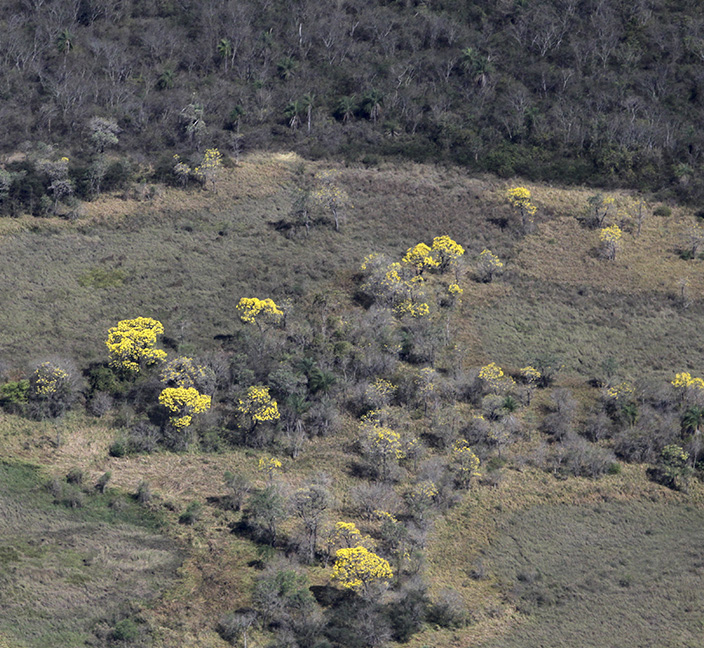
This sprawling plain of 1,066,000 km² is an unparalleled natural treasure. It is composed of savannas, wetlands, marshes, and grasslands that together constitute the largest dry forest on Earth.
The biological diversity it harbors is astounding. Its origins date back millions of years to geological and climatic processes, including the erosion and uplift of the Andes Mountains. Invaluable portions of this natural heritage have been preserved through the creation of national parks and nature reserves, however, most of it has been conserved and sustainably managed by the Indigenous Peoples of the Chaco.
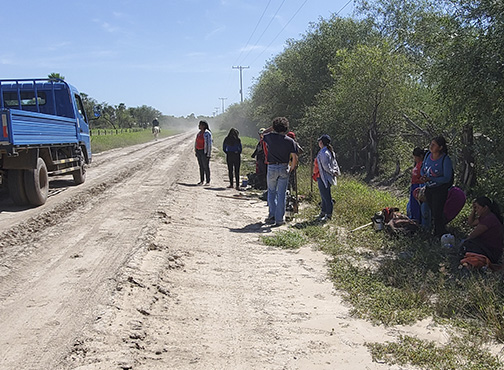
At present, the populations of the Chaco are predominantly rural and largely indigenous. The Paraguayan Chaco is home to more than 20 indigenous peoples, including the Ayoreo—the last group in isolation on the continent outside of the Amazon basin.
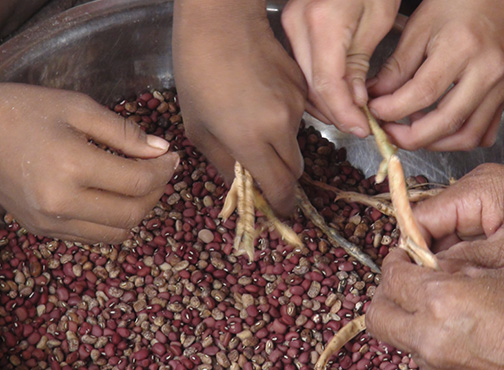
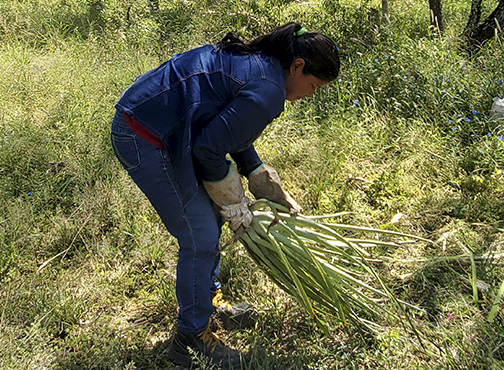
For millennia, the peoples of this region have maintained a nomadic and sustainable lifestyle, living in harmony in their forests. Their economy is traditionally based on hunting native wildlife (such as wild pigs, armadillos, anteaters, and turtles), and gathering (wild honey, forest fruits, plant fibers, and raw materials for crafting everyday items). These activities are complemented by small-scale farming in forest clearings during the summer rainy season.
Unfortunately, the Paraguayan Chaco is currently one of the areas most affected by deforestation worldwide. The rapid disappearance of these forests has a significant impact on the global climate crisis, with negative consequences reaching far beyond the region to the entire planet.
The magnitude of deforestation in the Paraguayan Chaco is alarming: approximately 800 hectares of forest are lost every day, equivalent to cutting down more than 1,000 soccer pitches per day.
This unsustainable practice endangers nearly 4,000 species of plants, 150 of mammals, 120 of reptiles, 500 of birds, and 100 of amphibians, representing one of the most valuable ecological riches in the entire continent.
Various factors are behind this catastrophe, creating an unsustainable environmental and social scenario: cattle raising, monocultures, real estate speculation, mining, hydrocarbon prospecting, illegal land grabbing, major infrastructure projects, and organized crime.
In Paraguay, it is worrying to note that almost all environmental degradation in the Chaco is carried out legally, as licenses for “land-use change” are granted with little chance of rejection. Every year, without major obstacles, the deforestation of hundreds of thousands of hectares of Chaco forests is approved.
This situation jeopardizes the survival of numerous animal and plant species, as well as the natural ecosystems that sustain life in the region.
The deforestation, fragmentation, and destruction of these natural habitats have serious consequences such as increased local temperatures, floods, droughts, and accelerated desertification, as well as species extinction: only 35% of plant formations remain, and barely 15% of ecosystems retain their evolutionary climax.
Native forests, with the exception of nature reserves and protected areas, are on the brink of disappearance and likely have only five or ten years left, unless the accelerated pace of clearing and fragmentation ceases or decreases. This catastrophe does not only affect the region, but also has a global impact on the planet’s climate.
The consequences of this environmental destruction result in serious humanitarian emergencies. The climate crisis primarily strikes the most vulnerable human populations: Indigenous Peoples, with an even greater effect on groups living in isolation who, faced with water and food shortages, higher temperatures, and the growing presence of private and exclusive enclaves, are exposed to situations of forced contact.